
Dangerous Animals in St. Maarten: The Ultimate Safety Manual
When planning an island vacation, understanding the local ecosystem and knowing if there are any dangerous animals in St. Maarten is essential for a safe, worry-free trip. St. Maarten and St. Martin boast pristine tropical waters and lush, green hiking trails.
Thankfully, the island is completely free of large apex land predators. There are no native venomous snakes, making it incredibly safe for outdoor adventures.
However, both the marine environments and terrestrial regions host minor hazards that travelers frequently misunderstand. This ground-tested guide separates internet myths from real local realities. Learn about reef sharks, jellyfish, invasive species, and the actual medical protocols you need to know.
Table of Contents
- 1 Quick-Reference St. Maarten Wildlife Risk Matrix
- 2 Marine Realities: Sharks, Jellyfish, and Octopus
- 3 Terrestrial Hazards: Mosquitoes and Invasive Species
- 4 Debunking the Myths: Crocodiles, Alligators, and Snakes
- 5 Coastal Hazards: Sea Urchins and Ciguatera
- 6 Frequently Asked Questions On Dangerous Animals in St. Maarten
- 7 Author
💡 Core Takeaways: St. Maarten Wildlife Realities
- Land Hazards: There are no crocodiles or venomous native snakes on the island. The primary land nuisances are mosquitoes and invasive vervet monkeys.
- Marine Safety: Shark attacks are incredibly rare. Minor injuries from stepping on sea urchins or encountering seasonal jellyfish are much more common.
- Environmental Risk: The historical risk of Ciguatera fish poisoning means you should completely avoid eating large, predatory reef fish caught locally.
Quick-Reference St. Maarten Wildlife Risk Matrix
| Animal / Creature | Real Risk Level | Where They Live | Primary Hazard / Symptom | Prevention Strategy |
|---|---|---|---|---|
| Mosquitoes | Moderate | Stagnant water, mangroves | Dengue, Zika virus vectors | Apply DEET / Picaridin |
| Sea Urchins | Moderate | Shallow rocky shorelines | Painful puncture wounds | Wear thick water shoes |
| Jellyfish | Low to Moderate | Open water (Seasonal) | Painful skin stings | Wear a rash guard |
| Reef & Nurse Sharks | Low | Deep offshore reefs | Extremely rare bite risk | Avoid dawn/dusk swimming |
| Vervet Monkeys | Low | Hillside hiking trails | Aggressive food stealing | Do not feed or approach |
| Crocodiles | Zero Risk | None | Non-existent on the island | Enjoy the water worry-free |
Marine Realities: Sharks, Jellyfish, and Octopus
The vibrant marine ecosystems surrounding the island are a dream for snorkelers. Knowing the exact traits of local marine life keeps you completely safe in the water.
The Truth About Sharks in St. Maarten
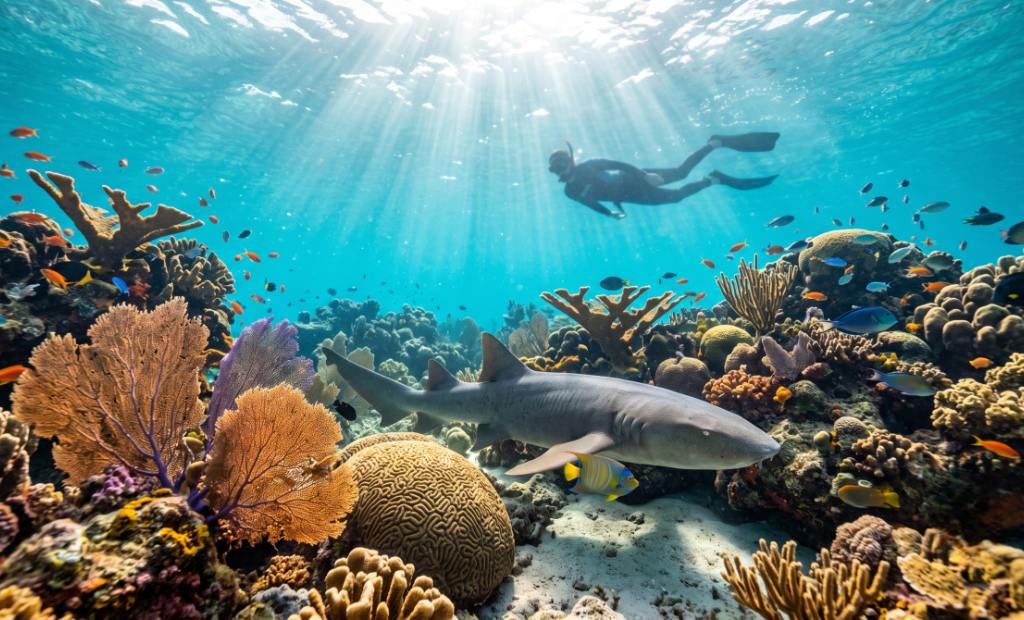
The island’s waters are home to thriving populations of Caribbean reef sharks and nurse sharks. These species are generally docile and completely ignored by divers. Unprovoked shark attacks are an extreme rarity on the island.
To maintain total safety, avoid swimming alone during dawn or dusk when larger marine predators move closer to the reef to hunt. If you spot a reef shark while snorkeling, remain calm, keep your eyes on the animal, and swim slowly back to shore or your boat without frantic splashing.
Unprovoked shark attacks are an extreme rarity on the island. If you are a cruise passenger racing a tight afternoon timeline to explore these marine habits safely, discover how to manage your transit times using our step-by-step blueprint on getting to maho beach from cruise port terminals.
Seasonal Jellyfish Encounters
Jellyfish swim through local waters periodically, typically influenced by changing seasonal wind currents. While encounters are usually harmless, their tentacles can deliver painful, itchy welts.
If you get stung, do not use old myths like vinegar or freshwater, which can cause remaining sting cells to fire. Instead, rinse the area thoroughly with clean saltwater, scrape away any visible tentacles using a plastic card, and soak the skin in hot water to neutralize the proteins.
Common Reef Octopus Behavior
The common Caribbean octopus lives quietly inside the shallow coral reefs and rocky coves of places like Mullet Bay and Creole Rock. These creatures are highly intelligent, completely non-aggressive, and master masters of camouflage. They present absolutely zero danger to swimmers unless you actively attempt to trap or handle them, which can cause a defensive nip.
Terrestrial Hazards: Mosquitoes and Invasive Species
While the ocean gets a lot of attention, the land requires a quick look regarding insect-borne safety.
The Real Threat: Mosquito Prevention
Mosquitoes are the most statistically relevant health consideration on the island. They breed quickly inside stagnant water pools and thick mangrove habitats around the lagoons. Local species act as vectors for tropical illnesses like dengue fever, chikungunya, and the Zika virus.
Protect yourself effectively by applying a premium insect repellent containing 20-30% DEET or Picaridin. Wear lightweight, long-sleeved clothing when exploring hiking paths or dining near open-air wetlands during sunset.
The Hillside Vervet Monkeys
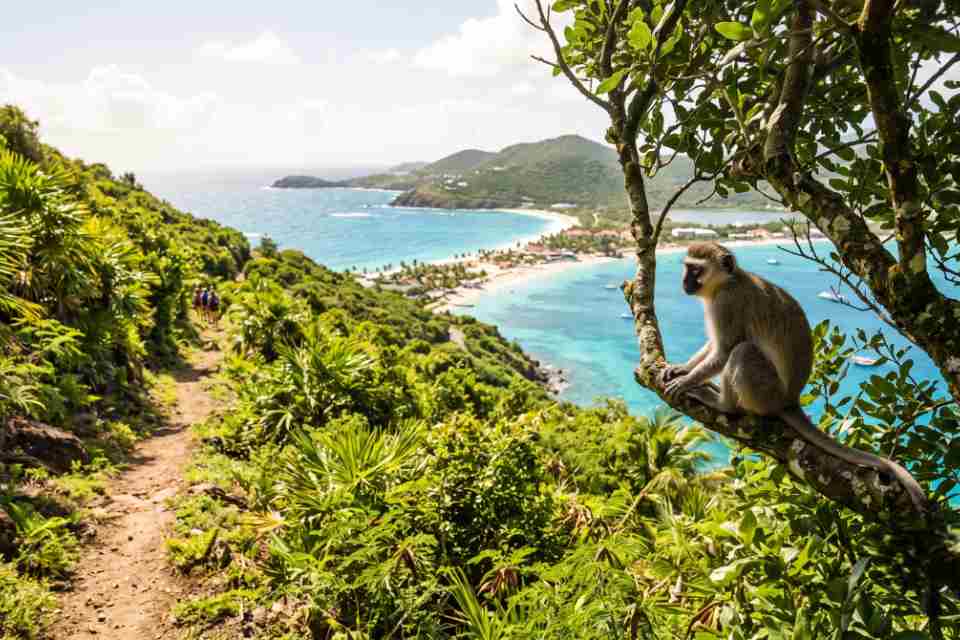
Vervet monkeys are an invasive species originally introduced to the Caribbean as exotic pets centuries ago. Today, large wild troops roam the green slopes of Pic Paradis and roadside viewpoints.
Because these monkeys have lost their fear of humans, they can become highly aggressive if they smell food. The local government has approved active population management plans due to severe agricultural and ecosystem damage.
Never feed them, keep your backpack secure while hiking, and admire them from a distance. To track the local population data, impact studies, and official capture metrics, look directly at the ecological tracking projects managed by the Nature Foundation St. Maarten, which handles invasive terrestrial wildlife controls.
Debunking the Myths: Crocodiles, Alligators, and Snakes
Internet forums are full of wild travel rumors. Let’s look at the actual biological facts regarding the island’s reptile life.
Do St. Maarten Lagoons Have Crocodiles?
No. There are absolutely no crocodiles, caimans, or alligators living anywhere in St. Maarten or St. Martin.
The island completely lacks the massive, deep freshwater river systems required to sustain these reptiles. The brackish waters of Simpson Bay Lagoon are completely safe from these predators, allowing you to enjoy jet-skiing and kayaking without fear.
The Snake Population Profile
St. Maarten has no native snake species. While extremely rare accounts mention accidental cargo hitchhikers like the fer-de-lance arriving on shipping docks over the years, there are no established wild populations on the island. You can hike the mountain trails with complete peace of mind.
Coastal Hazards: Sea Urchins and Ciguatera
Minor environmental hazards are easy to avoid if you follow simple local foot and dining habits.
Stepping on Sea Urchins
Long-spined sea urchins cover the shallow rocky shores and coral reefs around the island. If you step on one barefoot, the brittle black spines break off deep inside your skin, causing intense pain and potential infection.
- The Protection: Always wear thick, rubber-soled water shoes when wading through rocky shorelines or climbing tidal pools.
- The First Aid: If punctured, use clean tweezers to carefully pull out any accessible spines, clean the area with soap, and soak the foot in hot water for 30 to 60 minutes to relieve the pain.
Avoiding Ciguatera Fish Poisoning
Ciguatera is a food-borne illness caused by eating large predatory reef fish that have consumed toxic reef algae. The toxins bioaccumulate up the food chain, causing severe gastrointestinal and neurological symptoms in humans.
To eliminate this risk, never eat large, locally caught predatory species like barracuda, large amberjack, or mature grouper. Stick to open-ocean pelagic fish like Mahi-Mahi, Tuna, and Wahoo, which are completely safe and delicious.
Frequently Asked Questions On Dangerous Animals in St. Maarten
Are the giant iguanas in St. Maarten dangerous?
No. The large green iguanas seen sunbathing on resort walls and trees are completely harmless herbivores. They will always run away if approached. However, if you attempt to corner, trap, or feed them by hand, they can deliver a sharp scratch or bite in self-defense.
Does Sint Maarten have dangerous spiders or scorpions?
The island features minor populations of small bark scorpions and standard tropical garden spiders. Their stings or bites are comparable to a mild bee sting and pose absolutely zero medical threat to humans unless you have a specific, severe allergic reaction.
Is there a hospital on both sides of the island for wildlife emergencies?
Yes. The Dutch side features the Sint Maarten Medical Center (SMMC) in Cay Hill, and the French side hosts the Louis-Constant Fleming Hospital in Marigot. Both facilities are fully equipped to handle emergency allergic reactions, tropical infections, or marine stings quickly.