Which St. Maarten Beaches Are Clothing Optional? The Insiders’ Guide
If you are planning a Caribbean vacation, you are likely wondering which st. maarten beaches are clothing optional so you can experience true body-positive freedom under the sun. The unique dual-governed island of St. Maarten (Dutch) and St. Martin (French) stands as a premier destination for naturism.
However, navigating bicultural sunbathing requires precise local knowledge. The French side operates under European standards where clothing is entirely optional. Meanwhile, the Dutch side enforces conservative laws where public nudity is technically illegal—with one magnificent exception.
If you blend the two sides incorrectly, you risk facing steep legal fines or uncomfortable confrontations. This complete, ground-tested guide breaks down your best options across both sides of the island. Learn the explicit boundary markers, current facility costs, driving blueprints, and important etiquette secrets.
⏱️ Core Takeaways: What You Need to Know First
- Fastest & Safest Route: Taking an official Shared Port Taxi ($9 to $11 per person each way) is your best transit method. Drivers maintain shared radio networks and can instantly switch to the French Side back-route if primary roads bottleneck.
- The Local Bus Penalty: Public minibuses cost only $2.50 one-way, but they are highly unpredictable. They wait until every single seat is full before departing and stop every 500 feet, often turning a 25-minute drive into a 60-minute trek. Do not use them for your return trip.
- The Heavy Jet Window: Do not show up at 9:00 AM expecting massive aircraft. The large transatlantic Boeing and Airbus commercial airliners arrive almost exclusively between 11:30 AM and 3:30 PM.
- The 2-Hour Return Rule: The Simpson Bay Lagoon Drawbridge opens daily at 3:00 PM, completely halting all eastbound traffic. If your ship’s all-aboard call is 4:30 PM, you must physically step into your return taxi at Maho Beach no later than 2:30 PM.
Quick-Reference Naturist Beach Matrix
| Beach Name | Jurisdiction | Legality Status | On-Site Amenities | Crowd Level | Best For… |
|---|---|---|---|---|---|
| Orient Bay (South) | French Side | 100% Legal & Official | Restaurants, Bars, Chairs, Jet-Skis | High | First-Timers & Comfort |
| Cupecoy Beach | Dutch Side | Tolerated / Unofficial | Rustic Shack, Chair Rental, Caves | Moderate | Ultimate Privacy & Sunset |
| Happy Bay | French Side | Fully Accepted | None (Wild, Primitive Beach) | Low | Seclusion & Hiking |
| Mullet Bay | Dutch Side | Illegal (Topless Only) | Full Beach Clubs, Parking, Dining | Extremely High | Standard Sunbathing |
| Tintamarre Island | French Waters | Fully Accepted (Offshore) | None (Deserted Wildlife Reserve) | Very Low | Day Trips & Snorkeling |
1. Orient Bay Beach (The French Naturist Epicenter)
Located on the windward northeastern coast of the French side, Orient Bay Beach is globally recognized as the crown jewel of Caribbean naturism. Spanning a massive two-mile crescent of powdery white sand, the beach caters to two distinct demographics. The northern and central sections host high-end luxury boutique hotels, family-friendly beach clubs, and active watersports hubs where clothing is mandatory. The southern end, however, transitions into an expansive, completely legal, and worry-free sanctuary for clothing-optional sunbathing.
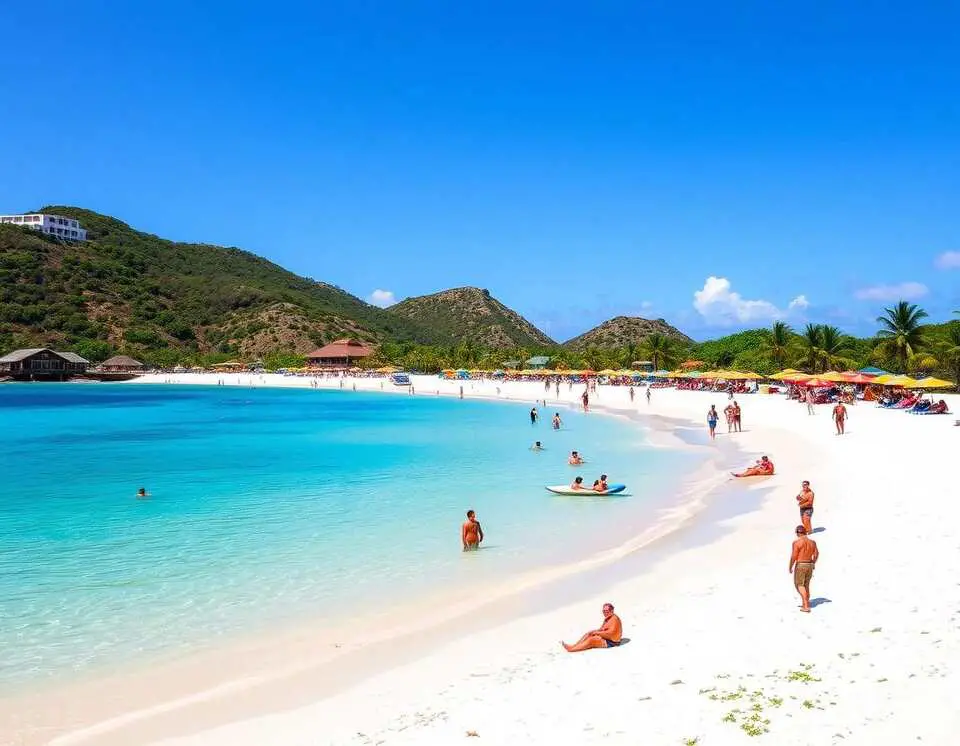
The designated clothing-optional section begins immediately south of the La Playa Beach Club transition point. As you walk south along the water line, you will notice a natural drop-off in density of clothed tourists. The absolute heart of the naturist zone encompasses the shoreline stretching directly in front of the historic, sprawling grounds of the former Club Orient resort. You can fully strip down once you pass the natural rocky outcropping that separates the central beach from this southern bay curve.
Major 2026 Development Blueprint Update
For years, travel blogs stated that the southern end only featured temporary pop-up structures following historical hurricane damage. That information is officially outdated. Construction has aggressively commenced on a brand-new, multi-million dollar luxury naturist resort on the original Club Orient footprint.
While heavy, dust-controlled construction barriers protect the active building site inland, the actual maritime shoreline remains wide open, fully public, and 100% legal for clothing-optional use. The local maritime authority guarantees public access to the sand, meaning you can sunbathe and swim directly in front of the development zone without any legal restrictions.
Current Amenities, Menus, and Exact Costs
- The Perch Lite Bar & Grill: This legendary beachside venue is fully operational and serves as the social hub for the southern end. Tip: You can legally sit at the bar stools, chat with the bartenders, and dine at the open-air tables completely nude. The menu features Caribbean classics: fresh Mahi-Mahi wraps ($18), slow-smoked BBQ rib platters ($22), and heavy rum punches or local Carib beers ($5–$8).
- Chair & Umbrella Rentals: The beach management operates an organized rental system. Expect to pay $30 to $40 USD per day for a set of two high-quality wooden loungers, plush cushions, and a heavy wind-resistant umbrella.
- Facilities: Tucked neatly behind the Perch Lite bar is a functional, modern eco-restroom trailer and open-air freshwater showers. Local operators also run an independent watersports desk on the sand, offering clothing-optional jet-ski rentals and parasailing trips directly from the naturist zone.
2. Cupecoy Beach (The Limestone Cave Hideaway)
Squeezed onto the dramatic southwestern tip of the Dutch side, mere yards from the French border, Cupecoy Beach provides a visual and atmospheric counter-experience to Orient Bay. Instead of a flat, expansive, windy shoreline, Cupecoy consists of a series of small, intimate coves carved deep into glowing, golden limestone cliffs that reflect the afternoon sun.
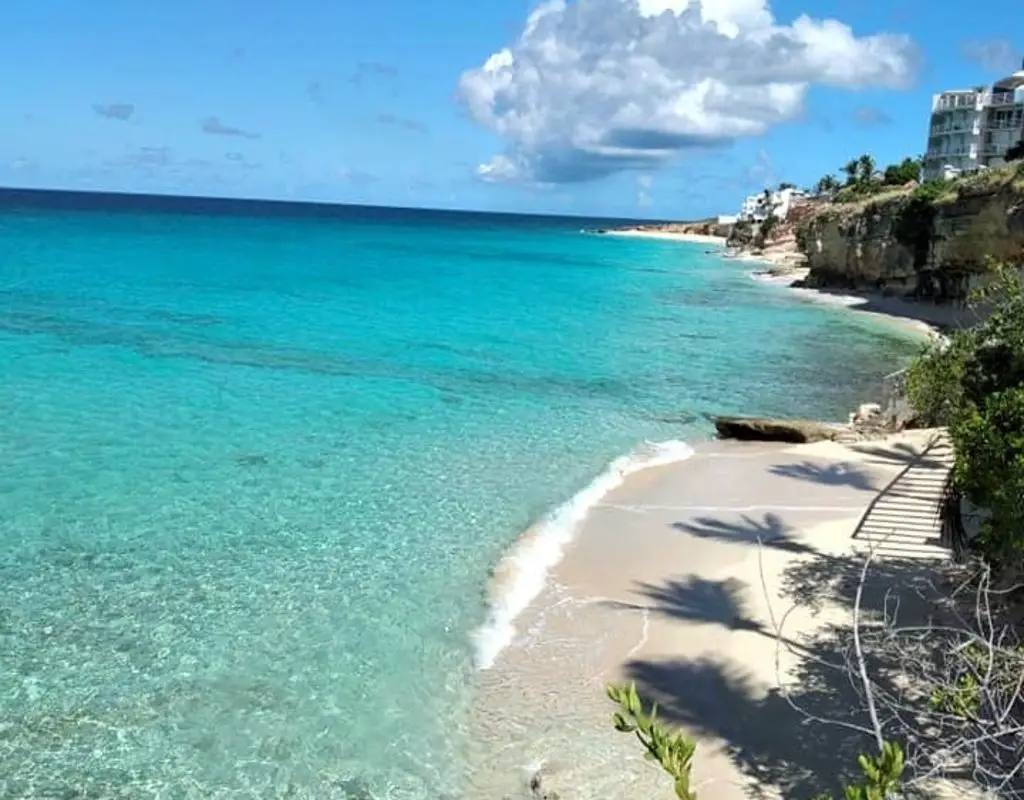
The Legality Loophole Explained
Under Sint Maarten (Dutch) statutory law, public nudity is technically a fineable misdemeanor offense. However, the local government and police department officially treat Cupecoy as a special, historical “zone of tolerance.”
Because the beach is geographically segmented into private sandstone pockets hidden from the main road, authorities completely look the other way. This makes Cupecoy the only reliable, accepted spot on the Dutch side of the island for full, head-to-toe naturism.
This beach requires sharper planning than any other on the island because it is highly dynamic and subject to intense erosion. Insider Danger Warning: The sandy shoreline at Cupecoy can shift radically within a 24-hour cycle based on Atlantic ocean swells and changing lunar tides.
- The High Tide Trap: At high tide, the ocean water slams directly against the limestone walls, completely swallowing the beach. If you are tucked inside a cave, your gear can be instantly soaked, and your exit path cut off by crashing waves. Always consult a local St. Maarten tide chart app before packing your bags.
- Rockfall Realities: Look up before you lay your towel down. The limestone cliffs are highly fragile, calcified structures prone to sudden crumbling. Avoid setting up directly beneath overhanging ledges or loose boulders to eliminate the risk of falling debris.
Driving Blueprints and The Dany’s Beach Bar Landmark
To access the naturist coves, take the main road toward the Lowlands (Terres Basses) and look for the entrance near the Shore Pointe luxury villa complex. Turn into the unpaved dirt lot directly across from the golf course. This lot belongs to Dany’s Beach Bar, a rustic, deeply authentic island shack.
- The Setup: Dany is a local fixture who serves ice-cold beers, rum cocktails, and simple charcoal-grilled ribs and chicken out of a wooden shack.
- The Cost: You can rent basic plastic lounge chairs and canvas umbrellas directly from Dany for $15 to $20 USD for the day. Nudity is completely accepted and normal in the sandy coves starting just fifty feet west of his commercial seating area.
3. Happy Bay Beach (The Untouched Wild Escape)
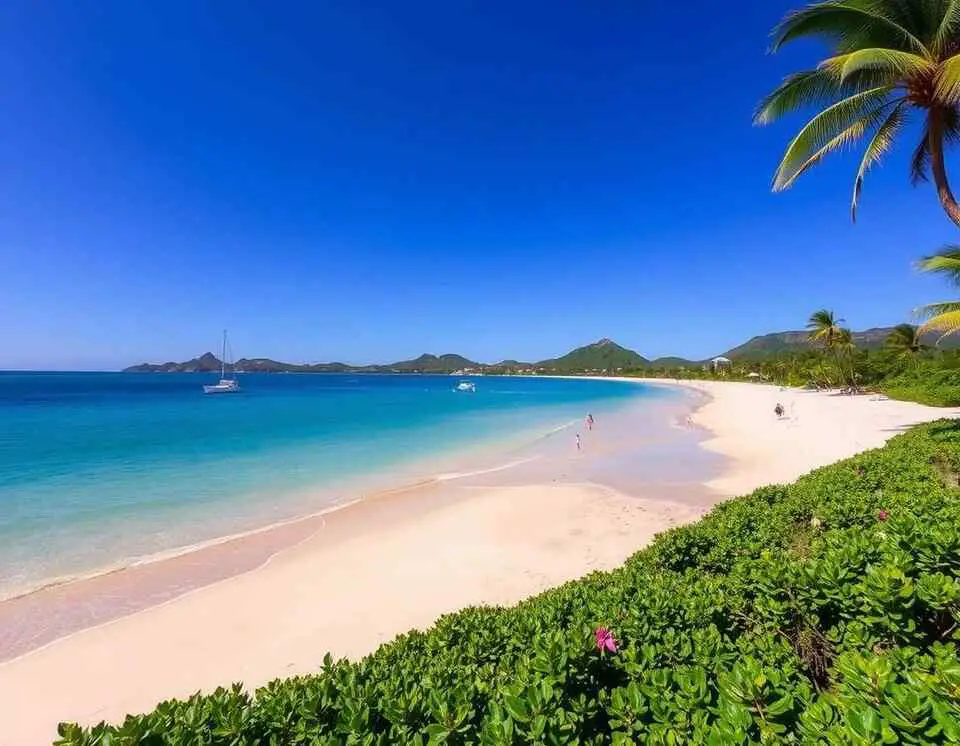
If your goal is to experience the Caribbean exactly as it looked centuries ago—completely free of commercialism, concrete resorts, and jet skis—Happy Bay is your absolute paradise. Located on the French side just north of Marigot, this is an completely undeveloped, “wild” beach shaded by mature coconut palms and bordered by low, grassy hills.
How to Execute the Hidden Access Hike
Happy Bay has absolutely no vehicular road access, which acts as a natural filter against casual tourists and cruise crowds. To get there, you must execute a specific foot travel route:
- The Starting Point: Drive to the neighboring Friar’s Bay Beach and park your vehicle in the main dirt public lot.
- The Trailhead: Walk to the northernmost edge of Friar’s Bay sand, past the beach restaurants. You will spot a narrow, rocky dirt path winding upward into the green brush.
- The Hike: Follow this trail for 10 to 15 minutes as it crests the hill.
Tip: The trail is completely unpaved, highly uneven, and lined with sharp cactus and thorny acacia bushes. Do not attempt to hike this path barefoot or in thin beach flip-flops. Wear solid running shoes or secure hiking sandals. Furthermore, do not bring heavy, wheeled coolers; you must carry all your gear on your back.
Crucial Preparation and Survival Rules
Happy Bay has zero commercial infrastructure. There are no vendors, no restaurants, no restrooms, no security guards, and no freshwater sources.
- The Packing List: You must act as a completely self-sufficient camper. Pack a lightweight shade umbrella, a thick beach blanket, high-SPF reef-safe sunscreen, and double the amount of fresh drinking water you think you need.
- The Environment: Because of its complete isolation, clothing-optional sunbathing is universally accepted across the entire length of the sand. The crowd here consists primarily of locals, seasoned ex-pats, and serious naturists who value quiet, body-positive serenity and deep connection with nature.
4. Tintamarre Island (The Ultimate Wilderness Excursion)
For the ultimate off-the-beaten-path naturist adventure, you must leave the main island entirely. Tintamarre Island is a flat-topped, uninhabited island located roughly 4 kilometers (2.5 miles) off the northeastern coast of French St. Martin, sitting inside the boundaries of the official Réserve Naturelle Nationale de Saint-Martin.
How to Access the Deserted Island
Because it is a protected nature reserve, there are no commercial ferries to Tintamarre. To get there, you have two primary options:
- The Water Taxi: Head to the French side marina at Cul-de-Sac and hire a private local captain or water taxi to drop you off on the main beach (Baie Blanche) and arrange a strict pickup time later in the afternoon. This typically costs $40 to $60 USD round-trip per person.
- Private Charter: Book a day sail with an independent catamaran charter company operating out of Simpson Bay or Philipsburg that explicitly caters to clothing-optional groups.
The Red Mud Cliff and Wildlife Experience
The main beach, Baie Blanche, features blindingly white sand, crystal-clear water, and a regular population of wild sea turtles that feed in the shallow sea grass beds just yards from the shore.
- The Naturist Protocol: Because the island is completely uninhabited, clothing-optional sunbathing and swimming are fully accepted along the entire stretch of Baie Blanche.
- The Clay Warning: Tintamarre is famous for its exposed red clay cliffs. For years, tourists scraped the clay to create full-body mud masks on the beach. However, the Nature Reserve authority has officially banned the scraping of these cliffs to prevent structural erosion and protect local nesting seabirds. Enjoy the beach au naturel, but leave the cliffs completely untouched.
5. The Mullet Bay Misconception: Know the Rules
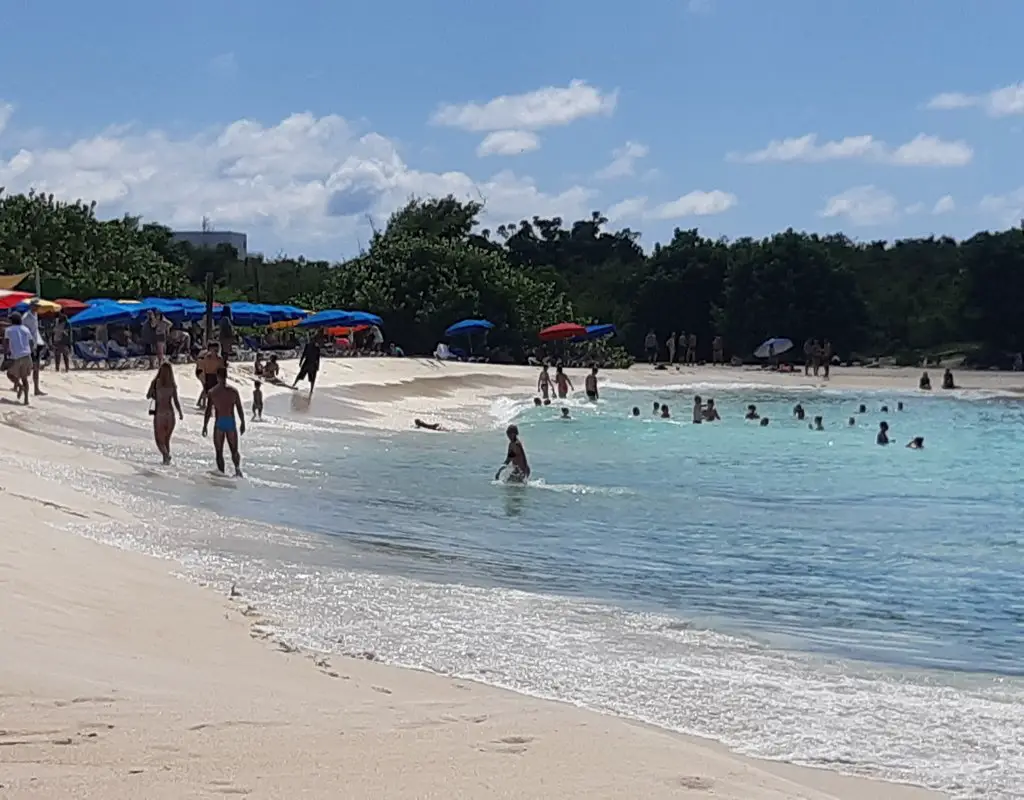
Mullet Bay is a highly popular family beach on the Dutch side. Because of its close proximity to Cupecoy, some travelers assume the two beaches share the same clothing rules. However, they are completely different.
Topless sunbathing for women is generally tolerated if you are lounging quietly away from the main restaurant entrances. Full nudity, however, is strictly illegal and socially unaccepted at Mullet Bay.
If you remove your bottoms on this beach, you will likely face immediate complaints from local families or beach club security. Keep your swimwear securely fastened until you cross over the rocky cliffside paths heading west into Cupecoy.
The Topless vs. Full Nudity Distinction
Mullet Bay is one of the most popular, high-traffic family beaches on the Dutch side, bordered by a golf course and hosting massive beach clubs like Kalatua.
- Topless Sunbathing: Following standard European cultural norms, topless sunbathing for women is generally tolerated if you are lounging quietly on a towel away from the main restaurant entrances and the local jet-ski rental shacks.
- Full Nudity: Full nudity is strictly illegal and socially unaccepted at Mullet Bay. If you remove your bottoms on this beach, you will likely face immediate, angry complaints from local families or security personnel, followed by an official police intervention. Keep your swimwear securely fastened until you physically cross over the rocky cliffside paths heading west into the secluded coves of Cupecoy.
The Golden Rules of Caribbean Naturist Etiquette
To ensure these clothing-optional beaches remain safe, welcoming, and judgment-free spaces for everyone, all visitors must strictly adhere to the unwritten global laws of naturism:
- Absolutely Zero Photography: Keep your smartphone and camera gear completely buried inside your beach bag. Taking photos or videos on a clothing-optional beach—even if you are just trying to take a selfie or capture the beautiful blue ocean horizon—is a severe breach of privacy. If you are caught with an active camera pointed toward the sand, you will face immediate, hostile confrontation from fellow beachgoers and swift removal by local authorities.
- The Strict Towel Rule: Always lay a clean, dry, thick towel down before sitting on any shared public surfaces. This applies directly to rented plastic or wooden beach loungers, bar stools at the Perch Lite Bar, or any public seating area. It is a fundamental matter of hygiene that keeps the environment clean for the next guest.
- Maintain Generous Physical Distance: Do not set up your beach blankets, towels, or umbrellas directly next to someone else, especially if you are in an isolated cove at Cupecoy or a wild beach like Happy Bay. Give fellow naturists plenty of physical breathing room to enjoy their anonymity and peace.
- Keep it Completely Platonic: Clothing-optional beaches are dedicated strictly to relaxation, comfort, stress relief, and body positivity. Any form of overtly inappropriate, suggestive, or public romantic behavior is strictly forbidden by both social norms and local laws. Violators will face immediate arrest by the gendarmerie or Dutch police.
Some images created using PicLumen.