

Best Time to Visit Sint Maarten: The Complete Weather & Crowd Manual
When mapping out an idyllic Caribbean getaway, nailing the best time to visit sint maarten is the ultimate secret to unlocking perfect beach weather and avoiding overwhelming local congestion. This unique, bicultural landmass is divided cleanly between Dutch Sint Maarten and French Saint Martin. Because of this geography, the island experiences dynamic seasonal cycles. These shifts dictate everything from accommodation costs and flight availability to the overall visibility of the local coral reefs.
Picking the wrong travel window can trap you inside major highway traffic bottlenecks on heavy cruise port days or leave your boutique resort beach covered in thick layers of migratory seaweed. This ground-tested directory breaks down the raw seasonal trade-offs month-by-month. Learn the exact timelines for the driest weather, the lowest hotel rates, and the peak local festival calendars.
💡 Core Takeaways: The Smart Seasonal Guide
- The Best Overall Window: December through April offers the absolute driest, sunniest, and most comfortable weather, though it carries the highest pricing and thickest crowds.
- The Sweet-Spot Shoulder Season: May through June provides an elite compromise, featuring massive drops in hotel rates, empty beaches, and excellent weather before the heavy summer rain sets in.
- The High-Risk Window: September through October marks the statistical peak of the Atlantic hurricane season, when many French-side boutique restaurants close entirely for maintenance.
Quick-Reference Island Season Matrix
| Travel Window / Season | Average Temperature | Crowd Level | Accommodation Rates | Primary Weather / Ocean Profile |
|---|---|---|---|---|
| Dec – April (Dry Peak) | 80°F – 84°F (27°C) | Extremely High | Premium Pricing | Crystal clear water, zero sargassum, dry trade winds |
| May – June (Shoulder) | 84°F – 88°F (29°C) | Moderate to Low | 30% to 50% Off | Light afternoon showers, calm seas, warm waters |
| July – Oct (Hurricane Peak) | 88°F – 91°F (32°C) | Very Low | Rock-Bottom | High humidity, tropical waves, elevated storm risks |
| Nov (Pre-Peak Bridge) | 83°F – 86°F (29°C) | Building | Moderate | Transition window; rain tapering off, island turns lush |
The Winter Dry Season (December through April)
This four-month block represents the absolute gold standard for weather across the Lesser Antilles chain. If your priority is uninterrupted beach tanning, low humidity, and zero weather anxiety, this is your premier target slot.
The Climate Architecture
During the winter, the island experiences its local dry season, culturally referred to on the French side as “Carême” or Lent. Total annual rainfall metrics hit their baseline lows between January and March, with March historically recording under 2 inches of precipitation.
You can cross-reference these historical averages and monitor localized storm tracking updates directly via the Meteorological Department St. Maarten (MDS) database. Steady northeastern trade winds sweep across the mountain gaps continuously.
These constant breezes keep the tropical humidity entirely at bay, capping daytime temperatures at a highly comfortable 80°F to 84°F range while cooling the evening air down to a crisp 73°F
The Crowd Realities & Data Metrics
Because the weather is flawless, the island operates at absolute maximum passenger capacity. Local government tourism tracking confirms that the first quarter of the calendar year routinely accounts for nearly 40% of all annual stayover and cruise arrivals.
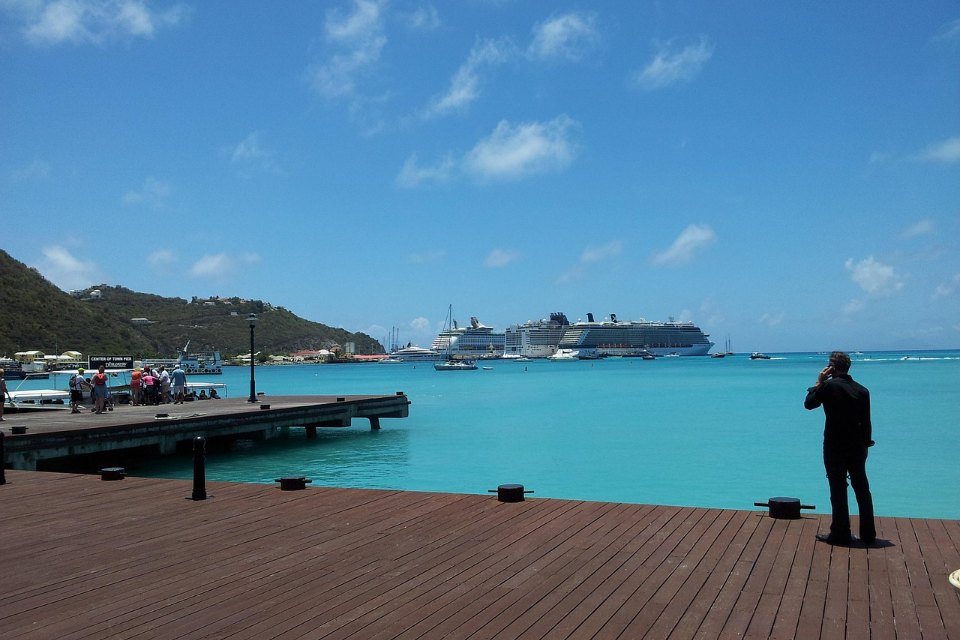
On peak winter days, up to six mega-ships dock concurrently at the Dr. A.C. Wathey Cruise Facility in Philipsburg. This massive deployment pours over 20,000 daily visitors onto Front Street, clogging the island’s narrow roundabouts and filling the sand rows of Maho Beach.
If your travel dates match these heavy port windows, protect your personal belongings in the crowds by following the street-level security protocols detailed inside our master manual on how dangerous is st. maarten.
The Sargassum Cleansing
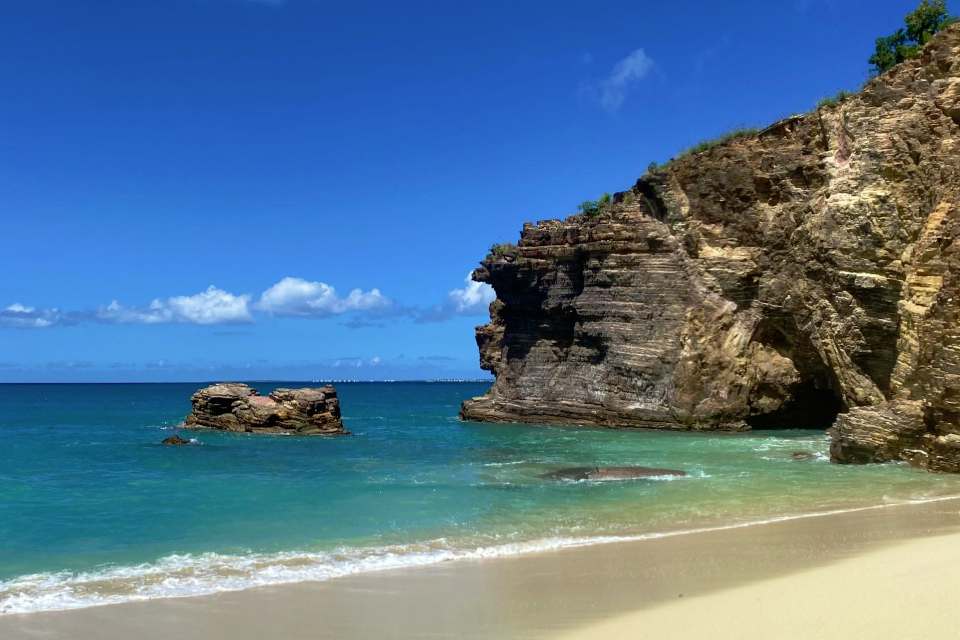
A major environmental benefit of visiting during the winter is the total absence of pelagic seaweed. The prevailing winter ocean currents and strong trade winds completely push migratory sargassum weed blocks south, away from the island’s eastern marine shelves.
This guarantees that flagship windward shorelines like Orient Bay and Dawn Beach retain their postcard-perfect, pristine neon-turquoise water and clear sand beds without any foul organic buildup or odor issues.
The Shoulder Season Sweet Spot (May through June)
For seasoned travelers and luxury villa seekers, the late spring window is widely recognized as the smartest calendar play on the island.
Reclaiming the Shorelines
The moment May 1st arrives, the intense winter tourism crush completely evaporates. Major global cruise lines pull their massive multi-thousand-passenger vessels out of the Eastern Caribbean market to deploy them along European summer routes.
This creates a drastic drop in daily beach foot traffic. Before packing your gear to head out to these uncrowded shorelines, make sure to read our detailed boundary manual explaining which st. maarten beaches are clothing optional so you avoid any layout surprises or local rule issues.
You can walk onto world-famous sands like Maho Beach or Mullet Bay at 11:00 AM and instantly secure prime parking spots, front-row umbrella rentals, and empty restaurant tables without any systemic wait times or stress.
Massive Financial Savings
Because resort and villa occupancy demand dips, local properties slash their baseline rates aggressively to draw in spring bookings. High-end private villas in the Lowlands (Terres Basses) and premium resorts in Simpson Bay cut their nightly rental costs by 30% to 50% compared to their frozen January peaks. Commercial air carriers similarly discount their available coach seats during this window, allowing you to execute a five-star vacation on a three-star budget.
The Ocean Temperature Trade-Off
The weather remains exceptionally pleasant, with average daytime highs climbing slightly to an 86°F baseline. The brisk winter trade winds soften into gentle breezes, causing the ocean surface temperatures to warm up to a luxurious 81°F, turning the coastal water paths into conditions that mirror a warm swimming pool.
The only minor trade-off is a slight uptick in localized afternoon convective showers, which drain out into the salt ponds quickly without washing out your daytime outdoor plans.
The Low Season & Hurricane Horizon (July through October)
The summer and early autumn months represent the tropical low season, defined by high climatic volatility and significant shifts in local hospitality operations.
The Statistical Storm Peak
The official Atlantic hurricane season spans a wide six-month window, but the true statistical danger zone clusters heavily between mid-August and late September. During this distinct phase, the tropical Atlantic ocean temperatures hit their warmest annual baselines, fueling deep, low-pressure waves moving off the western African coast.
While the direct statistical odds of a Category 4 or 5 hurricane making landfall during your specific one-week vacation window remain low, the risk of multi-day tropical depressions causing severe rainfall, localized flash floods, and sweeping flight cancellations is at its highest annual point.
The French Side Hibernation
Travelers making the critical mistake of booking an autumn trip to experience the island’s legendary culinary scene are often met with major operational disappointment. Because tourist volumes hit rock bottom, a vast majority of the high-end French bistros along the Grand Case culinary strip and boutique artisan shops in Marigot shut down entirely for the months of September and October.
Local owners utilize this low-occupancy window to perform necessary structural hurricane retrofitting, remodel their interiors, and take their own annual staff vacations, turning these usually vibrant, bustling towns into very quiet local residential zones.
Monthly Weather, Temperature, and Rain Breakdown
To plan your trip with scientific precision, use this verified monthly data tracking the exact climate changes across the island:
- January: 82°F High | 74°F Low. Low humidity, strong trade winds. Passing morning showers are brief. Peak winter crowd pricing is active.
- February: 82°F High | 73°F Low. The single coolest month of the year. Exceptionally dry air. Ideal conditions for sailing and hiking the high ridge trails.
- March: 83°F High | 74°F Low. Statistically the driest month of the entire year, averaging just 1.8 inches of rain. Marine clarity hits 100 feet for scuba divers.
- April: 84°F High | 75°F Low. The spring transition month. Trade winds begin to soften slightly. Resorts stay busy but room availability begins to open up slightly.
- May: 86°F High | 77°F Low. First month of the shoulder season. Hotel rates drop up to 40%. Perfect balance of empty beaches and excellent sunshine hours.
- June: 88°F High | 79°F Low. Temperatures climb, and ocean water turns very warm. Rainfall averages increase slightly via brief afternoon cloud bursts. Excellent month for budget luxury travelers.
- July: 89°F High | 80°F Low. Summer conditions take over. Humidity climbs significantly. Excellent deals on rental cars, but tropical wave risks begin to mount.
- August: 90°F High | 80°F Low. One of the hottest months of the year. The risk of tropical storms increases. Beaches are completely empty, but sun protection is mandatory.
- September: 90°F High | 79°F Low. Statistical peak of hurricane season. High rainfall totals. Widespread closures of top restaurants and beach clubs on the French side.
- October: 89°F High | 78°F Low. Heavy rain risks continue via late-season tropical depressions. Great bargains on large Dutch-side family resorts, but weather is highly unpredictable.
- November: 86°F High | 76°F Low. The autumn bridge month. Heavy rains taper off quickly by mid-month, leaving the mountain valleys incredibly lush, green, and vibrant.
- December: 83°F High | 75°F Low. Return of peak dry season. Festive season holiday travel spikes pricing from December 15th through New Year’s Day. Flats seas and cooling trade winds return.
Event Calendars: Island Cultural Highlights
If you want to anchor your travel dates around world-class cultural celebrations and international sporting events, the island hosts two massive annual highlights that draw global crowds:
The St. Maarten Heineken Regatta (Early March)
This is one of the premier competitive sailing regattas on the global maritime calendar. Hundreds of racing yachts and elite international crews pack into the Simpson Bay Lagoon to compete in intense offshore courses.
The entire island transforms into a massive festival venue during this week. Major open-air beach stages are erected on Kim Sha Beach, hosting massive nighttime concerts with legendary international reggae, pop, and rock artists. Accommodation inventory during this specific week must be booked months in advance.
Sint Maarten Carnival (Late April)
Centered primarily on the Dutch side inside the massive, dedicated Carnival Village complex in Philipsburg, this multi-week festival is a spectacular display of Caribbean heritage.
The celebration features high-energy steel pan band competitions, intense local culinary competitions, and spectacular, colorful costume parades that freeze traffic across the capital. It is an incredible window to experience authentic local music styles like soca and calypso alongside traditional food arts.
Packing Strategy by Travel Window
To ensure comfort on the ground, your luggage contents should shift subtly depending on which seasonal block you choose for your trip:
- The Winter Essentials (December – April): Focus heavily on breathable linen shirts, light cotton dresses, and standard resort casual wear. Because the trade winds can drop temperatures to a breezy 73°F at night, packing a lightweight pashmina shawl, denim jacket, or thin long-sleeve pullover is mandatory for open-air waterfront dining in Grand Case or evening boat cruises.
- The Summer & Fall Protection (May – October): Prioritize high-performance moisture-wicking fabrics to handle the elevated humidity indices. Pack multiple high-quality UV-blocking rash guards for snorkeling, a compact travel umbrella for sudden afternoon convective cloudbursts, and premium bug sprays containing DEET or Picaridin to combat mosquitoes during the rainy spells.
Frequently Asked Questions on the Best Time to Visit Sint Maarten
When is the absolute cheapest month to book a vacation to St. Maarten?
September and October are consistently the cheapest months for flights and hotel stays due to the peak of the hurricane season. However, if you want a safer balance between low costs and reliable weather, May and November are the smartest target windows for finding massive discounts without risking total storm washouts.
Does the rainy season make snorkeling and scuba diving dangerous?
It does not make it dangerous, but it drastically reduces underwater visibility. During the peak rainy months of September through November, heavy hillside runoff drains dirt and silt into shallow bays like Little Bay and Creole Rock. For pristine, 100-foot underwater clarity across the marine parks, book your diving trips during the dry winter and spring windows.
How far in advance should I book my trip if I want to visit during the winter peak?
If you are planning to travel between Christmas and Easter, you should secure your flights and resort reservations at least 6 to 9 months in advance. High-demand boutique beachfront properties and rental car inventories can sell out completely by the end of the summer for the following winter cycle.