
Sint Maarten vs Saint Martin: The Complete Dual-Nation Guide
Deciding where to stay on the world’s smallest landmass divided between two nations comes down to a clear choice: Sint Maarten (Dutch) offers high-octane nightlife, duty-free shopping hubs, and bustling cruise ports, while Saint Martin (French) delivers a secluded, upscale European escape centered around world-class gastronomy and pristine nature.
Despite being separate territories, there is no physical border control between them, allowing travelers to seamlessly explore both sides without a passport checkpoint. The completely open border is marked only by simple, symbolic welcome monuments at key crossing points, such as the Bellevue/Cole Bay border monument and the Oyster Pond crossing. Drivers can cross freely between the French and Dutch territories without even tapping their brakes, experiencing a true transnational transition in seconds.
Core Overview & Key Distinctions
| Feature | Sint Maarten (Dutch Side) | Saint Martin (French Side) |
|---|---|---|
| Vibe | High-energy, commercial, Americanized | Laid-back, quiet, European chic |
| Capital | Philipsburg | Marigot |
| Official Currency | Caribbean Guilder (XCG) (US Dollars widely accepted) | Euro (€) (USD widely accepted at 1:1 parity in places) |
| Primary Language | English, Dutch | French |
| Top Attraction | Maho Beach (Plane spotting) | Grand Case (The culinary capital) |
| Nightlife Style | Casinos, nightclubs, beach bars | Wine bars, quiet beach lounges, fine dining |
The dual-nation island of Sint Maarten and Saint Martin spans a compact land footprint of approximately 34 square miles. This unique shared governance originated with the signing of the Treaty of Concordia on March 23, 1648, which partitioned the island between France and the Netherlands. You can read more about Centrale Bank van Curaçao en Sint Maarten.
1. Beaches & Topography: Dramatic Contrasts
While both sides boast incredible coastlines, their beach cultures are vastly different.
- The French Side (Saint Martin): Home to Orient Bay, often called the “Saint-Tropez of the Caribbean,” featuring clothing-optional stretches, premium beach clubs, and water sports. For absolute tranquility, Anse Marcel offers calm, shallow waters sheltered by dramatic hillsides.
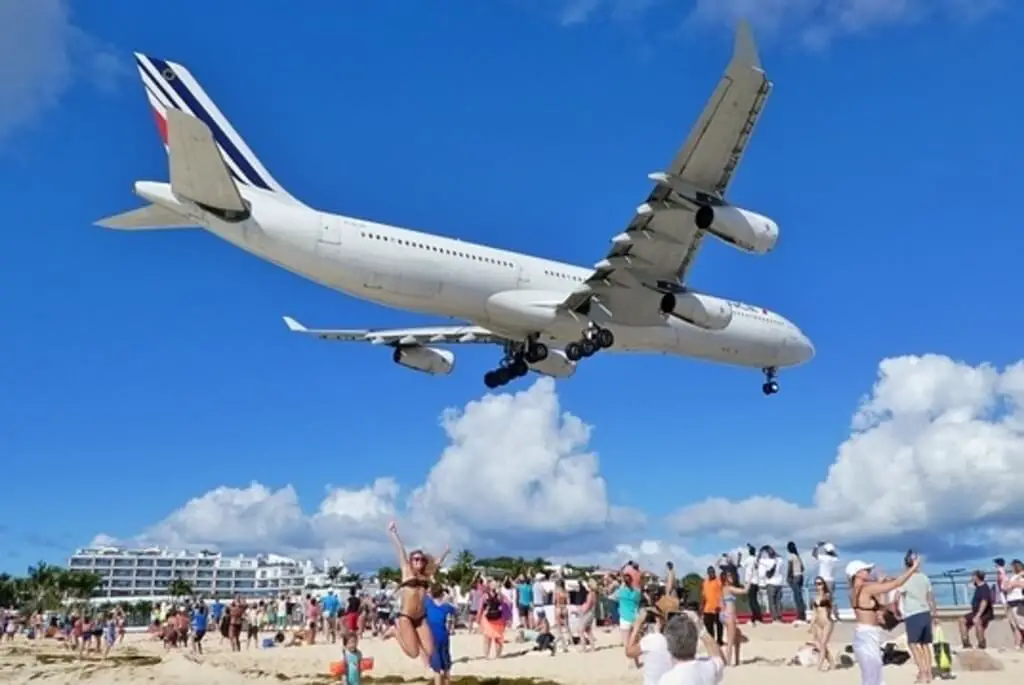
- The Dutch Side (Sint Maarten): Home to the world-famous Maho Beach, located directly at the runway threshold of Princess Juliana International Airport (SXM), where aviation enthusiasts watch jet blasts up close. For a calmer resort beach on the Dutch side, Mullet Bay offers pristine white sand and brilliant turquoise waters.
2. Nightlife & Gaming
- Sint Maarten (Dutch): Holds a total monopoly on casino gaming. If you want to play blackjack, poker, or slots, you must stay on or visit the Dutch side, which features popular venues like the Casino Royale in Maho. The nightlife here is vibrant, filled with high-volume nightclubs, electronic music, and late-night bars along the Simpson Bay strip.
- Saint Martin (French): Strictly prohibits casinos due to French regulatory laws. Nightlife here focuses on intimate wine bars, open-air jazz spots, and extended, candlelit dinners along the water.
3. Gastronomy: Comfort vs. Haute Cuisine
- The Culinary Capital: The small French fishing village of Grand Case is widely recognized as the gastronomic capital of the Caribbean. The street is lined with high-end French bistros serving avant-garde culinary fusions alongside traditional beachside lolos (local open-air barbecue stands serving ribs, johnnycakes, and red snapper).
- Dutch Offerings: Food on the Dutch side leans heavily toward international comfort cuisines, American-style steakhouses, sports bars, and diverse global fare centered around the busy Simpson Bay marina.
4. Shopping: Duty-Free vs. European Boutiques
- Philipsburg (Dutch): Front Street in Philipsburg is a legendary duty-free shopping haven. It features massive, tax-free discounts on luxury jewelry, watches, Swiss electronics, and liquor, fueled primarily by the daily influx of cruise ship passengers.
- Marigot (French): Offers luxury retail of a different kind. Shopping here mirrors the streets of southern France, filled with chic European fashion boutiques, locally made luxury perfumes, and open-air artisan markets at the harbor front.
5. Cost, Currencies, and Practicalities
- The New Legal Tender: While the French side continues to use the Euro (€), the Dutch side officially launched the Caribbean Guilder (XCG), completely phasing out the legacy Netherlands Antillean Guilder (ANG). You can verify the official currency regulations directly through the Centrale Bank van Curaçao en Sint Maarten.
- Pricing Fluctuations: Accommodation and food on the French side can trend higher due to the strength of the Euro, though many businesses offer an artificial $1 = €1 cash parity promo during the low season to attract tourists. The Dutch side generally offers wider budget flexibility, featuring large timeshare resorts and affordable condo rentals. US Dollars remain the most widely used currency for everyday tourism across both sides.
- Immigration, Entry, and Transit Logistics: All international flights land at Princess Juliana International Airport (SXM) on the Dutch side. If you are staying on the French side, you will clear immigration at SXM and simply drive across the open border to your resort.
- ⚠️ Local Practical Tip: When renting a vehicle at Princess Juliana International Airport (SXM), explicitly verify that your rental insurance coverage applies to both sides of the island. While the physical border is open, some local agencies require a specific cross-border insurance rider or have strict territorial clauses in their contracts. Ensure your policy covers third-party liability on both the Dutch and French sides before driving off the lot.
The Verdict: Which Side Wins?
- Choose Sint Maarten (Dutch) if: You want a fast-paced vacation, love resort amenities, want to gamble, prefer seamless English communication, and enjoy staying up until dawn.
- Choose Saint Martin (French) if: You want a romantic, slow-paced getaway, prioritize fine French dining and wine pairings, prefer boutique eco-resorts over mega-complexes, and want to experience a distinct European flair.